Posts

St. Benjamin the Deacon and Martyr

Image
As his name implies, St. Benjamin was a deacon. He lived during a period of persecution against Christians and after refusing to be silent about his faith, was tortured by having sharpened reeds stuck under his finger and toe nails, before eventually being brutally martyred. Lifetime:  329 to 424 Region:  Persia (modern Iran) Patronages:  Deacons; Preachers; Good fortune Iconograpy:  Diaconate vestments; Censer; Jerusalem box Feast Day:  March 31

Sts. Perpetua and Felicity

Image
Along with Agatha , Lucy , Agnes, Cecilia , and Anastasia , Saints Perpetua and Felicity are women saints mentioned during the Eucharistic prayer in the Roman Canon. Both Perpetua and Felicity were catechumens when they were arrested for their faith - Perpetua with a nursing baby, and Felicity about to give birth. Shortly after Felicity gave birth to her daughter, Perpetua and Felicity were beheaded in the public amphitheater. Their children were raised by other Christians in Carthage. Lifetime:  182 to 203 Region:  Carthage (modern Tunisia) Patronages:  Mothers; Ranchers; Butchers Iconograpy:  Two close women; Wearing red and/or white Feast Day:  March 7 (Western); February 1 (Eastern)

St. Polycarp of Smyrna

Image
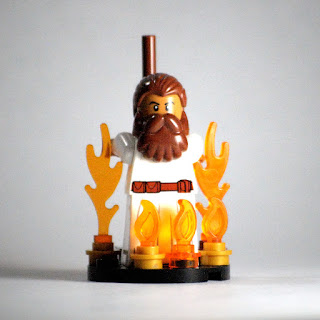
St. Polycarp was a disciple of St. John the Apostle and was appointed the bishop of Smyrna by that same Disciple Whom Jesus Loved. Polycarp was martyred after he refused to burn incense to the Roman emperor; first he was burned at the stake, but after surviving untouched by the flames, he was impaled with a spear. Upon his imminent death, Polycarp said, "I bless you, Father, for judging me worthy of this hour, so that in the company of the martyrs I may share the cup of Christ." Lifetime:  69 to 155 Region:  Smyrna (Modern Turkey) Patronages:  Earache sufferers; Dysentery Iconograpy:  Epistle to the Philippians; Surrounded by flames but unburnt; Pallium Feast Day:  February 23

St. Scholastica

Image
St. Scholastica is often referred to as the sister or twin of St. Benedict , though it is unknown whether they are biologically related or share more of a spiritual siblinghood. In any case, the two corresponded regularly and once Scholastica even prayed for a storm so that Benedict's visit with her would be extended - a miracle which God provided her. She is also the founder of Benedictine nuns. In 1355, there was a student riot on her feast day after the students complained about the quality of wine served at the nearby tavern; the entire town was imposed penance for nearly 500 years following. Lifetime:  ~480 to 543 Region:  Modern Italy Patronages:  Benedictine nuns; Education; Rainstorms Iconograpy: Nun habit; Crozier; Dove Feast Day:  February 10

St. John Bosco

Image
St. John Bosco is most well-known for his ministry with orphaned and abandoned young men, helping them find work, building their faith, and ensuring their employers were treating them fairly. He founded a Salesian  order and wrote numerous essays and biographies, one of which was instrumental in the canonization of his student, St. Dominic Savio. Lifetime:  1815 to 1888 Region:  Italy Patronages:  Juvenile delinquents; Editors; Magicians; Youth Iconograpy:  Cassock; Biretta; Group of youths; Often portrayed with St. Dominic Savio Feast Day:  January 31

St. Francis de Sales

Image
St. Francis de Sales is well-known as the patron saint of writers and especially for his book Introduction to the Devout Life . The book's popularity began immediately upon its release among both Catholics and protestants, and has persisted ever since. It was unique at the time for being written for laypeople and especially women; earlier books tended to target the clergy. Lifetime:  1567 to 1622 Region:  Modern France Patronages:  Writers; Deaf people; Educators; Confessors Iconograpy:  Bishop vestments; Pen and book; Sacred heart Feast Day:  January 24

St. Anastasia of Sirmium

Image
Anastasia is considered the deliverer from poisons because she miraculously cured many from such afflictions. During her life, she also ministered to imprisoned Christians until she became imprisoned herself. Anastasia refused to deny her faith, even in the face of a particularly vile pagan priest, who was blinded when he tried to lay hands on her. She miraculously survived multiple attempts to execute her, including starvation and drowning, until she was finally martyred by being staked to the ground and burned alive. Lifetime:  281 to 304 Region:  Rome; Modern Serbia Patronages:  Weavers; Widows; Poisoned people Iconograpy:  Medicine bottle; Martyr's palm Feast Day:  December 22 (Eastern); December 25 (Western)